When you first pick up a product, what catches your eye? The shape, the colors, the feel of the box? That moment is the brand’s first handshake, and it can either sweet hampers say “hello” or “goodbye” before the product even opens. In this guide we’ll walk through the steps to answer the question, how do I choose packaging that reflects brand identity, without turning the process into a labyrinth of design jargon.
Understanding the Role of Packaging in Brand Identity
Packaging is more than a protective shell; it’s a silent ambassador that speaks volumes about who you are and what you stand for.
Packaging as the First Impression
Think of packaging as the first date between your product and a potential customer. You want to look polished, approachable, and a little mysterious. A well‑crafted package can spark curiosity, convey quality, and build trust—often before the product’s scent or taste even registers.
The Psychology of Color and Texture
Colors are like words in a conversation. Warm hues like red and orange can evoke excitement, while cool blues and greens suggest calm and reliability. Texture, too, plays a role: a matte finish feels understated and sophisticated, whereas a glossy surface can shout luxury.
> “Design is the silent ambassador of your brand.” – Paul Rand
That quote reminds us that every visual cue is a conversation starter.
Assessing Your Brand’s Core Values and Audience
Before you even touch a sample, you need to know what you’re trying to say.
Define Your Brand Personality
Ask yourself: Are we playful or professional? Eco‑conscious or high‑tech? The packaging should mirror that personality.
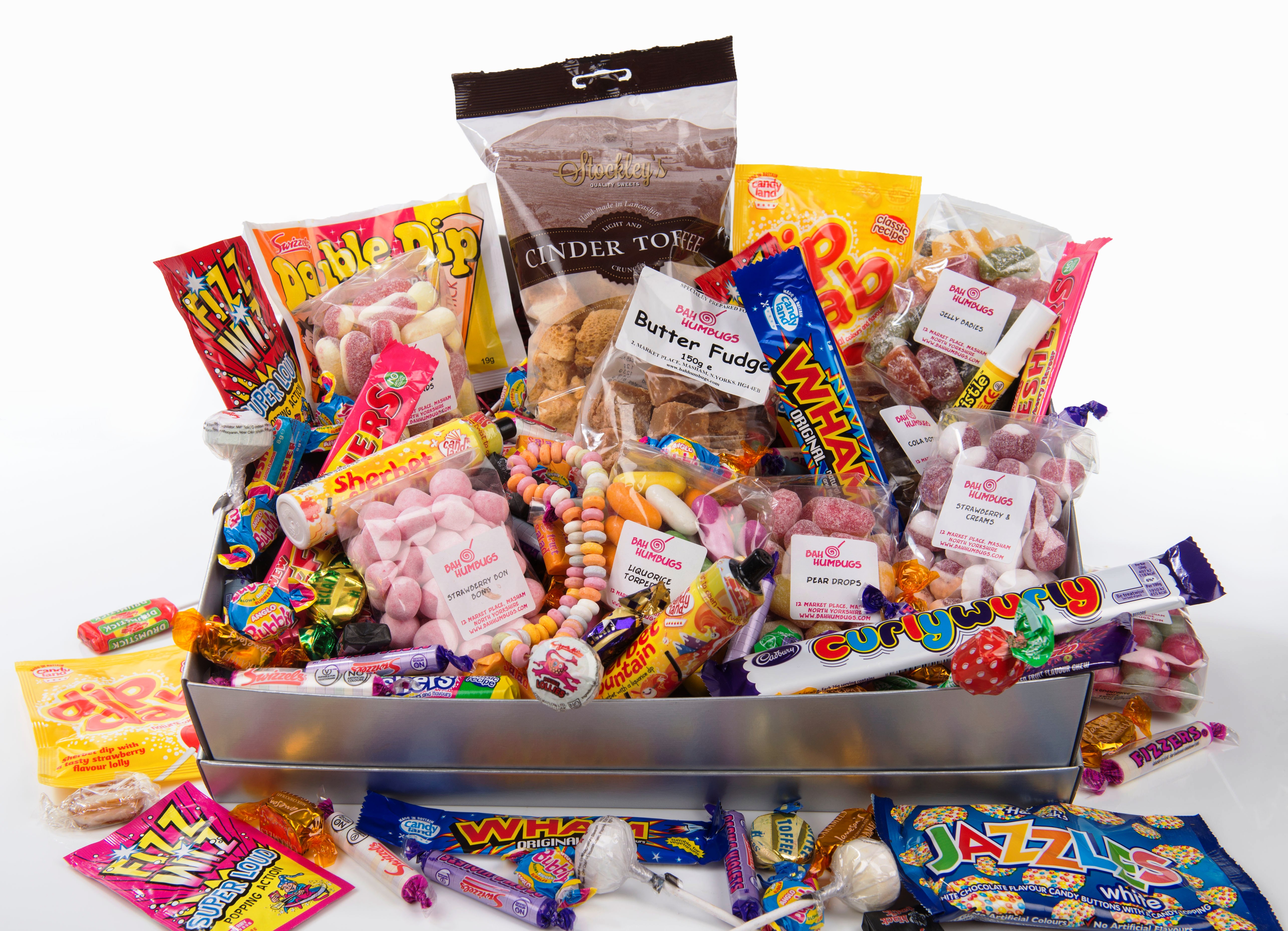
Know Your Target Market
Who will hold the box? A millennial eco‑activist may gravitate toward recycled materials, while a luxury watch buyer expects premium finishes. Understanding the audience narrows the design choices and ensures the packaging resonates.
Choosing the Right Packaging Materials
Materials tell a story about sustainability, durability, and cost.
Sustainable vs. Traditional Options
- Recycled cardboard – eco‑friendly, versatile, and cost‑effective. Biodegradable films – great for products that need moisture protection. Glass or metal – premium feel, but heavier and more expensive.
Decide if your brand’s values align with a green message or if a classic look is more appropriate.
Functional Needs vs. Aesthetic Appeal
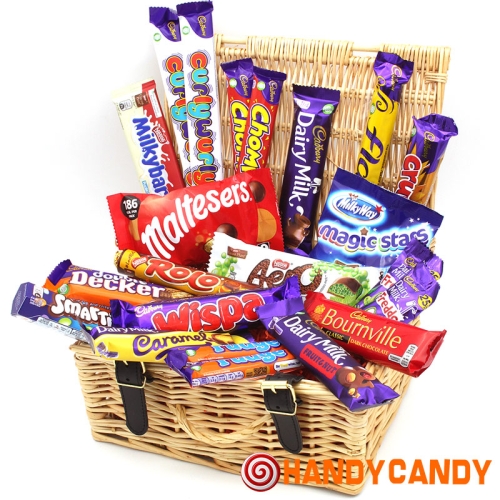
Packaging must protect the product, but it also needs to look good on the shelf. Balance the two: a sturdy box that also displays your logo prominently.
Design Elements That Speak Your Brand
Once the material is chosen, the design language takes center stage.
Logo Placement and Typography
Your logo should be the star of the show. Place it where it can’t be missed—center or top left—while keeping typography clean and legible.
Color Schemes and Patterns
Choose a palette that reflects your brand’s tone. Use patterns sparingly; too many can clutter the message.
Testing and Feedback Before Launch
Even the best design can miss the mark.
Prototype Sampling
Create a few prototypes and examine them from different angles. Check for sturdiness, print clarity, and overall appeal.
Consumer Testing
Ask a small group of target customers to review the packaging. “What feelings does it evoke?” “Does it align with your expectations?” Their honest feedback can save costly revisions later.
Making Your Selection Count
Now that you’ve explored materials, design, and testing, it’s time to finalize.
- Align every element with the brand’s core values. Keep the customer journey in mind: from shelf to hand to unboxing. Ensure scalability so that the design works for different product sizes.
What if your packaging is the difference between a shelf sale and a shelf miss? Think of it as the difference between a friendly wave and a cold shoulder. A well‑chosen package can turn a casual glance into a purchase, and that’s the sweet spot every brand dreams of.
Remember, packaging is not just a container—it’s a conversation, a promise, and a visual handshake. By answering how do I choose packaging that reflects brand identity with thoughtful, purposeful steps, you set the stage for a memorable brand experience that keeps customers coming back for more.
Ready to start designing? Gather your brand guidelines, sketch a few concepts, and let the packaging journey begin.